InsightFeatured
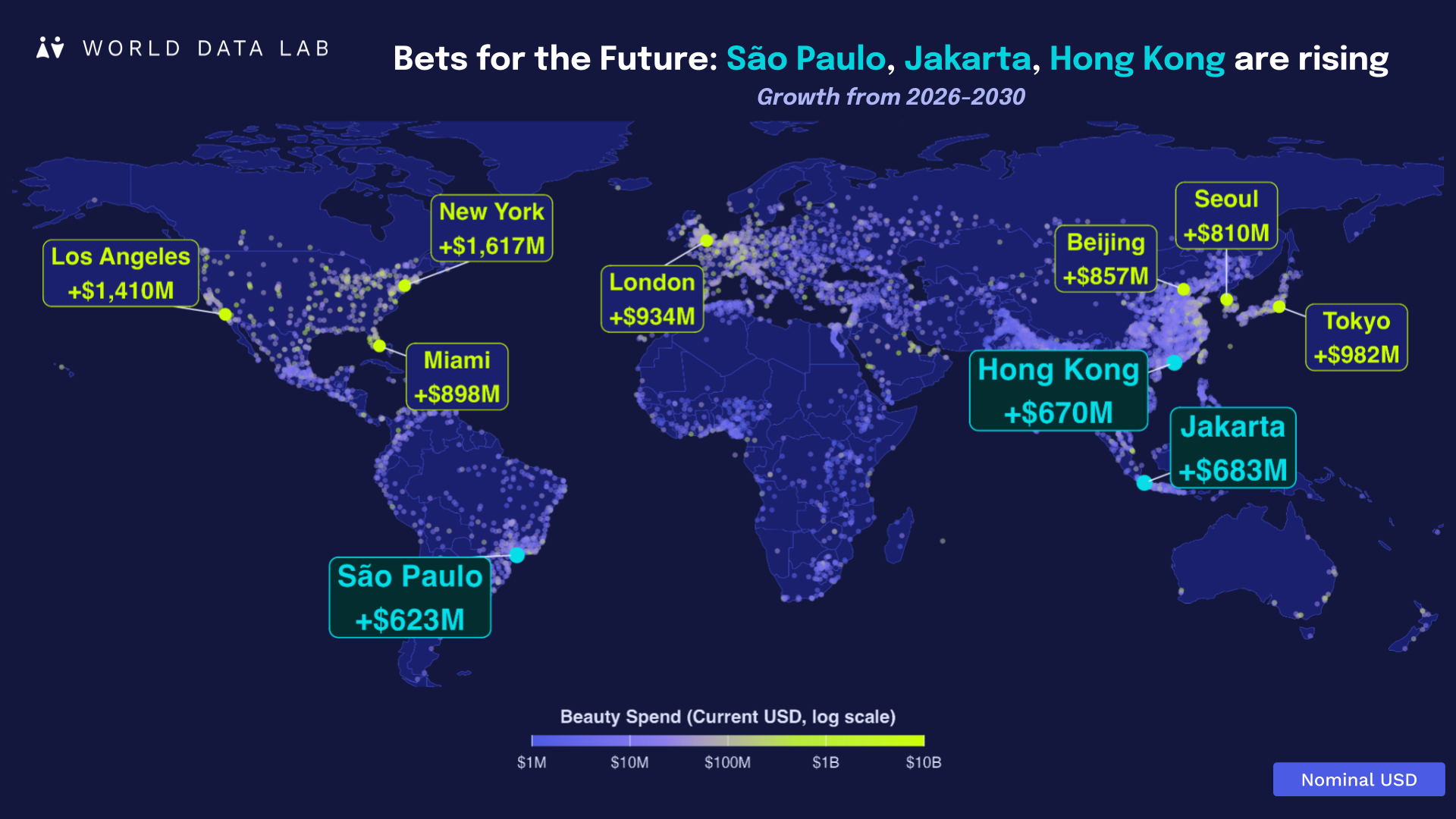
The money is still there. The question is: who is earning it, spending it, and where? Our latest look at the shifting consumer landscape.
News · Updates · Coverage
Our LinkedIn feed, external articles, press releases and what is coming next - all in one place.
What World Data Lab is up to.
The money is still there. The question is: who is earning it, spending it, and where? Our latest look at the shifting consumer landscape.
Shoppers aren't buying on autopilot anymore. See what is changing in consumer decision-making and what it means for brands.
Anna Bjerde, The World Bank Group Managing Director of Operations, visited World Data Lab last week to engage with the frontier analytics being built by our young professionals.
Yesterday, we had the pleasure of welcoming Amy Doherty, CIO and Vice President of Information & Technology Solutions at The World Bank Group, and members of her team to the World Data Lab office.
World Data Lab is proud to participate in the Northeast Decision Sciences Institute 55th Annual Conference (April 9-10), where Dr. Reshma Sheoraj and Juan Caballero will be presenting our latest demographic and consumer spending insights.
In the news
Where our data and our people appear in the world's press.
World Economic Forum · 2026
Ageing consumers are reshaping the global economy
People aged 60+ account for $19 trillion of consumer spending in 2026, rising to $34 trillion by 2036. By Anna Kiknadze and Regan Leggett.
Everyday Marketing · 2026
100 insights on Gen Z, 2026 to 2027
Gen Z spending power and behaviour, drawing on World Data Lab consumer projections.
Global Brands Magazine · 2026
The silver economy: a USD 19 trillion opportunity
How consumers aged 60+ are becoming one of the largest spending blocs on earth.
Ecofin Agency · 2026
WAEMU youth employment lags despite strong economic growth, report finds
Demographic and labour-market data on West Africa's fast-growing young population.
Punto Vendita · 2026
MediaWorld Trend Radar: Gen Z e tecnologia
The generation worth USD 12.6 trillion is already reshaping retail tech.
Modern Ghana · 2026
Germany flexes its muscles for Africa's youth
Africa's demographic dividend and what it means for investment and jobs.
Business Community · 2026
Gen Z guida il retail tech: 12,6 trilioni di spesa entro il 2030
New buying rules as Gen Z spending approaches USD 12.6 trillion by 2030.
The Business Times · 2026
The global e-commerce playbook is being rewritten by emerging markets
Where online consumer demand grows fastest over the next decade.
UOL Publicidade · 2026
Estudo: marcas, Geração Z e marketing geracional
Generational marketing in Brazil, built on global consumer spending data.
Yahoo Finance · 2026
What the world learned from the American century of global consumption
The shift of consumer power away from the US and towards Asia and Africa.
Brookings · February 2026
The present and future of global inequality
Global inequality has declined this century, especially in consumption terms, helping drive the rapid expansion of the global middle class. By Jesus Crespo Cuaresma, Homi Kharas, and Sourav Suman.
World Economic Forum · February 2026
India's consumer growth is happening where you're not looking
93% of India's consumer growth is decentralizing beyond major megacities, creating nearly 500 new consumer cities. By Anna Kiknadze.
World Economic Forum · November 2025
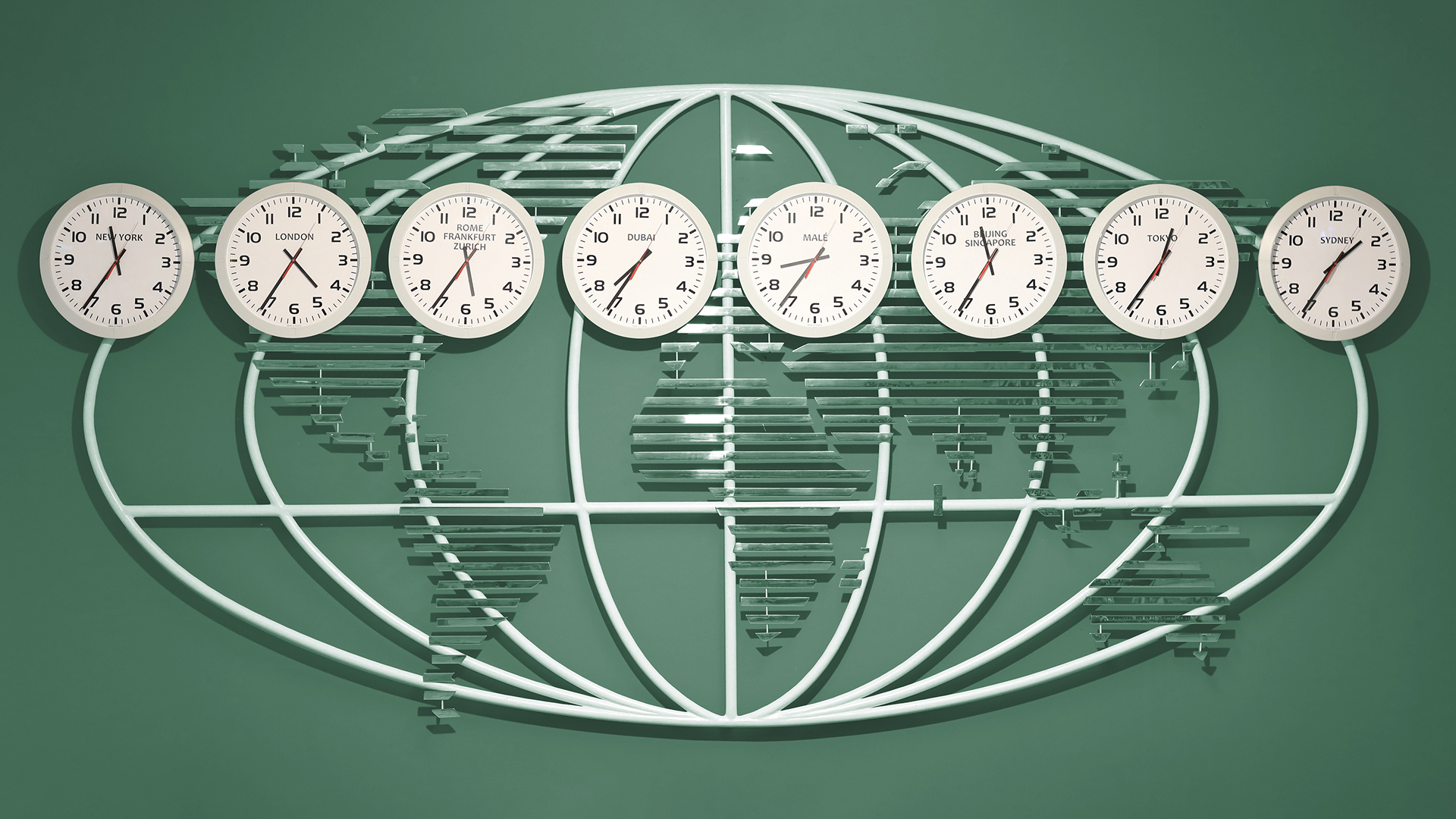
Why businesses should align with time zones and spending rhythms
Timing is the new competitive advantage: how global time zones shape when and where consumer spending happens. By Wolfgang Fengler and Yara Antoniassi.
World Economic Forum · October 2025
How individual households shape global economic development
Household economics and consumer behaviour at the level of individual families drive wider economic development. By Anna Kiknadze and Jonathan Haigh.
World Economic Forum · September 2025
Gen X and their families are driving consumer spending
Gen Xers often act as the household CFO, making key spending decisions across generations. By Wolfgang Fengler and Marta Cyhan Bowles (NIQ).
World Economic Forum · July 2025
How the consumer class continues to rise, against the odds
Despite turbulence, the global consumer class keeps growing and has passed 4 billion people. By Juan Caballero and Ana Sampaio.
World Economic Forum · February 2025
How Gen Beta will fit into and redefine tomorrow's world
Gen Beta, born between 2025 and 2038, will be the most urbanised generation ever and will make up 18% of the world population by 2050. By Juan Caballero and Marco Fengler.
World Economic Forum · June 2024
Cities drive global prosperity, but the way they do so is changing
The economic power of megacities is in slow decline, with smaller cities picking up the pace of consumer growth. By Matthew Cooper and Marco Fengler.
World Economic Forum · May 2024
World prosperity: 4 key data points you need to understand
Prosperity is less prevalent than many assume, but the number of people living well, above $25 a day, keeps rising. By Wolfgang Fengler and Homi Kharas.
World Economic Forum · December 2023
Have we reached peak greenhouse gas emissions?
The average person now accounts for 7.4 tonnes of greenhouse gas emissions, and the per-capita peak may already be behind us. By Homi Kharas and Wolfgang Fengler.
Brookings · July 2023
How the world consumer class will grow from 4 billion to 5 billion people by 2031
The world reached 4 billion consumers in June 2023, with Asia contributing most of the next billion. By Wolfgang Fengler, Homi Kharas, Juan Caballero, and Luis Simoes.
Brookings · June 2023
Fighting poverty with synthetic data
How synthetic microdata can help policymakers target social programmes at a granular level while protecting privacy. By Jack Gisby, Anna Kiknadze, Isabell Roitner-Fransecky, and Thomas Mitterling.
Brookings · June 2022
Asia's tipping point in the consumer class
Asia's share of the global consumer class passed the halfway mark, with South Asia driving the next decade of growth. By Wolfgang Fengler, Homi Kharas, and Juan Caballero.
Featured in









Webinars
Register free for our next live sessions.
Press
Our own announcements and research launches.
Get access to 190+ countries, 9,000+ cities, and 200+ categories through 2050.